 Feb 25, 2026
Marketing
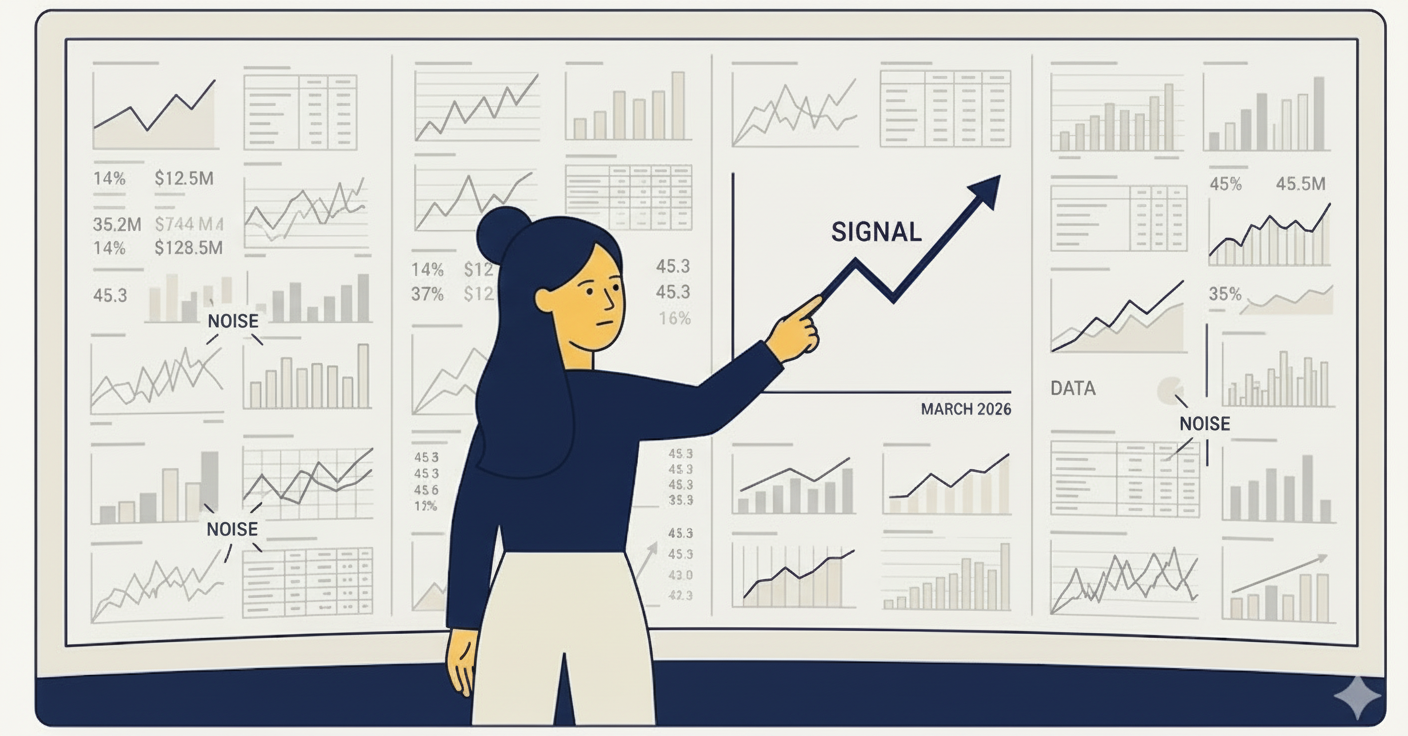
Social Media Analytics: The Only Metrics That Actually Matter
Cut through the noise and focus on the analytics that drive real business results for your social media strategy.
Read More

AI writing tools have become a standard part of the content creator's toolkit. They can generate ideas, draft posts, and repurpose content in seconds — work that used to take hours. But there's a real risk: when everyone uses the same tools with the same prompts, content starts to sound the same. The creators who thrive with AI are the ones who use it to amplify their unique voice, not replace it.
This guide shares a practical framework for integrating AI into your content workflow while keeping your content authentically yours.
AI tools can dramatically speed up content creation. But there's a risk: losing the authentic voice that makes your brand unique.
The problem isn't AI itself — it's how people use it. Copy-pasting AI output directly leads to:
The solution isn't avoiding AI — it's using it strategically as a creative partner, not a replacement.
Here's a practical workflow that leverages AI for efficiency while keeping your voice front and center:
Use AI to generate a rough draft, outline, or set of ideas. Be specific in your prompts — tell the AI your topic, audience, tone, and desired format.
Good prompt: "Write 5 social media post ideas about social media scheduling for small business owners. Tone: practical and encouraging. Each should be under 280 characters."
Bad prompt: "Write social media posts."
This is where the real writing happens. Take the AI draft and:
Read your content out loud. Does it sound like you or like a robot? Cut everything that feels generic, add specifics where things feel vague, and tighten the writing.
Red flags to watch:
Before publishing, run your content through a simple test: Would your most engaged follower recognize this as yours? If the answer is no, it needs more of your voice.
The single most effective thing you can do is create a "voice guide" — a reference document that helps you prompt AI consistently.
Include:
When prompting AI, include relevant sections of your voice guide. The more context you give, the closer the output will be to your actual voice.
Different platforms call for different approaches to AI-assisted content:
For long-form posts (LinkedIn, blog): AI is most useful for outlining and generating first drafts. Your personal stories and industry expertise should make up most of the final content.
For short-form posts (X, Threads, BlueSky): AI can help brainstorm ideas and variations, but short content needs to be razor-sharp. Every word matters, so heavy editing is essential.
For cross-platform publishing: When you schedule content across multiple platforms, AI can help adapt a single idea for different formats — but make sure each version sounds natural on its platform.
Track whether your AI-assisted content performs as well as your fully human-written content. Compare:
Use your analytics dashboard to spot any performance differences. If AI-assisted content consistently underperforms, you're probably not editing enough.
The best content creators will use AI as a tool, not a replacement. Speed up the mundane — brainstorming, outlining, repurposing — but keep the soul human.
Your audience follows you for you — your perspective, your stories, your way of seeing the world. AI can help you share those things more efficiently, but it can't replace them.
The goal isn't to produce more content. It's to produce more of your best content, faster. Use AI to free up time for what matters most: genuine connection with your audience.
Ready to streamline your publishing workflow? Try Shaflex for free and focus your time on creating, not managing.
Feb 25, 2026Cut through the noise and focus on the analytics that drive real business results for your social media strategy.
 Feb 10, 2026
Expert strategies to grow your LinkedIn following and generate quality leads for your B2B business.
 Jan 15, 2026
Learn how to effectively schedule your social media content to maximize engagement and reach your audience at the right time.